







Quick answer: Beneficial ownership verification is a continuing due-diligence process, not a one-off form collection exercise.
Important: General educational information only. It is not legal, tax or regulatory advice. Verify jurisdiction-specific requirements with a qualified professional and the competent authority.
This guide addresses beneficial ownership verification from the perspective of a reader who needs a decision, not just a definition. It sets out four criteria, an example, a simple self-assessment and the sources worth reviewing. The decision framework is editorial guidance; it is not a proprietary benchmark or a substitute for professional judgment.
The essentials: what really matters
Legal and regulatory outcomes depend on the precise facts and jurisdiction. Start by identifying the parties, activity, applicable rules and date. A general definition is useful orientation, but a threshold or filing requirement from another country may be misleading in your own case.
At a glance
- Identity: Obtain independently verifiable identification evidence
- Control documents: Read registers, shareholder agreements and voting arrangements
- Screening: Apply risk-based sanctions and politically exposed person controls
- Monitoring: Set refresh triggers for changes in ownership or risk
For the basic ownership and control definitions behind the document requests, read ultimate beneficial owner guide.
The four-part evaluation framework
1. Identity
Obtain independently verifiable identification evidence. The first practical action is to request one concrete example relevant to your own situation. Ask who produced it, when it was checked and what would make it invalid. Do not accept a broad assurance where a record, document, calculation or observed process can settle the question more reliably.
For beneficial ownership verification, define an evidence standard for identity. A useful record identifies the owner, the supporting source and any open exception. If the information is missing, mark the criterion as unverified rather than assuming success. This distinction helps prevent a polished presentation from being mistaken for a tested outcome.
2. Control documents
Read registers, shareholder agreements and voting arrangements. The first practical action is to request one concrete example relevant to your own situation. Ask who produced it, when it was checked and what would make it invalid. Do not accept a broad assurance where a record, document, calculation or observed process can settle the question more reliably.
For beneficial ownership verification, define an evidence standard for control documents. A useful record identifies the owner, the supporting source and any open exception. If the information is missing, mark the criterion as unverified rather than assuming success. This distinction helps prevent a polished presentation from being mistaken for a tested outcome.
3. Screening
Apply risk-based sanctions and politically exposed person controls. The first practical action is to request one concrete example relevant to your own situation. Ask who produced it, when it was checked and what would make it invalid. Do not accept a broad assurance where a record, document, calculation or observed process can settle the question more reliably.
For beneficial ownership verification, define an evidence standard for screening. A useful record identifies the owner, the supporting source and any open exception. If the information is missing, mark the criterion as unverified rather than assuming success. This distinction helps prevent a polished presentation from being mistaken for a tested outcome.
4. Monitoring
Set refresh triggers for changes in ownership or risk. The first practical action is to request one concrete example relevant to your own situation. Ask who produced it, when it was checked and what would make it invalid. Do not accept a broad assurance where a record, document, calculation or observed process can settle the question more reliably.
For beneficial ownership verification, define an evidence standard for monitoring. A useful record identifies the owner, the supporting source and any open exception. If the information is missing, mark the criterion as unverified rather than assuming success. This distinction helps prevent a polished presentation from being mistaken for a tested outcome.
For a broader checklist of regulated onboarding and monitoring requirements, consult fintech compliance checklist.
One-page comparison table
| Criterion | Evidence to request | Decision signal |
|---|---|---|
| Identity | Official document and legal basis | Obtain independently verifiable identification evidence |
| Control documents | Official document and legal basis | Read registers, shareholder agreements and voting arrangements |
| Screening | Official document and legal basis | Apply risk-based sanctions and politically exposed person controls |
| Monitoring | Official document and legal basis | Set refresh triggers for changes in ownership or risk |
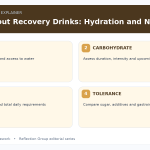
Illustrated decision framework

Original Reflection Group diagram. The four stages are a practical editorial framework, not a certification or clinical scoring standard.
Interactive decision helper
Use the tool below to organize your own situation. Its output is illustrative and is deliberately not presented as legal, health or financial advice. A low score means more verification is needed, not that the option is automatically wrong.
Four-point decision scorecard
Check each area only after you have evidence relevant to your situation:
0 of 4 criteria verified
Editorial organization aid only; not a professional certification or risk score.Example: applying the framework
An ownership chart contradicts the official company register and the analyst requests corroboration.
Build an evidence register rather than a simple list of yes/no answers. Keep documents, control owners, outstanding issues and a review date. When roles or business activities change, revisit the analysis rather than assuming the original assessment remains correct.
In that example, the next step is to record which of the four criteria has persuasive evidence and which remains uncertain. That creates an actionable follow-up: obtain a missing record, change the scope, negotiate responsibility or seek a specialist assessment. It is more useful than declaring a universally best product or method.
Common mistake — and how to avoid it
A self-declared owner is not sufficient evidence on its own. Treat any proposal or article as a starting hypothesis. Confirm the underlying conditions before transferring its conclusion to a different organization, country, health profile or bottle.
Use primary regulatory material wherever possible and distinguish binding rules from industry good practice. Where penalties, tax liabilities, financial crime or individual rights could be affected, the practical step is to obtain a qualified local review before acting.
Next steps: a practical checklist
- Write down the particular decision behind your search for beneficial ownership verification.
- Check identity with documented evidence, not an assumption.
- Check control documents with documented evidence, not an assumption.
- Check screening with documented evidence, not an assumption.
- Check monitoring with documented evidence, not an assumption.
- Compare at least two realistic alternatives using the same evaluation conditions.
- Capture outstanding uncertainties and schedule a review before making an irreversible decision.
Frequently asked questions
What documents support beneficial ownership verification?
Typical evidence can include corporate registries, shareholder lists, constitutional documents, identification records and control agreements. Requirements vary by risk level and jurisdiction.
How should a complex ownership structure be investigated?
Map each intermediary entity, calculate indirect percentages, test control rights and resolve inconsistencies. Preserve evidence dates and escalation decisions when records cannot be verified.
Reliable references and further reading
These primary or specialist sources provide context for checking the relevant concepts. Their existence does not mean they endorse this article or its editorial scoring framework.
- IRS substantial presence test
- OECD Model Tax Convention