






Quick answer: Cross-border growth works when tax, returns, localization and customer service are planned before the first paid campaign.
This guide addresses cross border ecommerce from the perspective of a reader who needs a decision, not just a definition. It sets out four criteria, an example, a simple self-assessment and the sources worth reviewing. The decision framework is editorial guidance; it is not a proprietary benchmark or a substitute for professional judgment.
The essentials: what really matters
Cross-border decisions are sensitive to assumptions that are easy to hide in a headline price: product specifications, shipment handovers, jurisdiction, payment terms and the cost of correcting mistakes. Write the scenario down before comparing offers so that every supplier or provider is assessed on the same basis.
At a glance
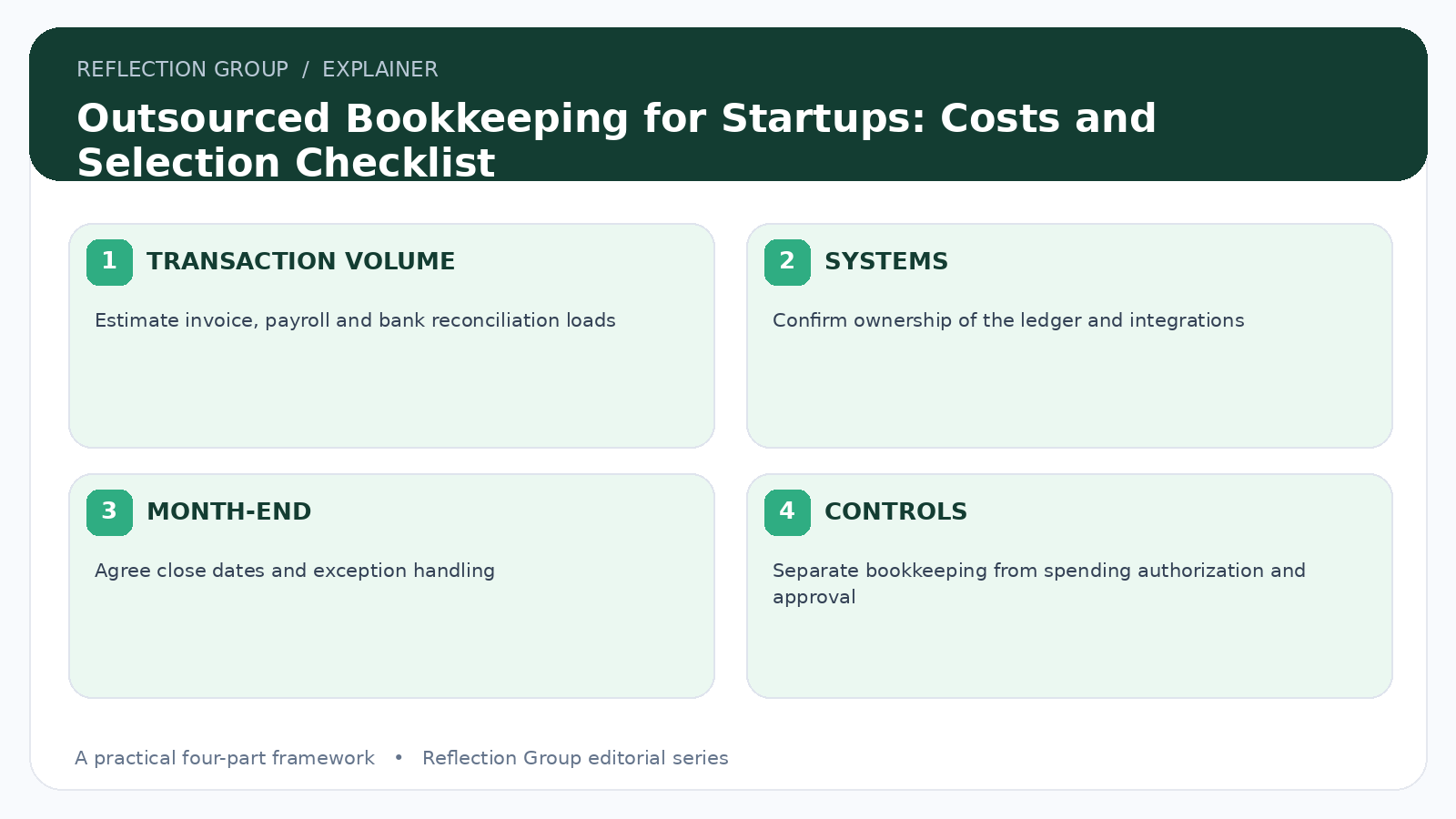
- Demand validation: Confirm country-specific search and purchasing behavior
- Checkout: Show landed price, local payment methods and delivery terms
- Compliance: Check tax, product and consumer obligations locally
- Fulfillment: Price returns, last-mile service and reverse logistics
Contracting and delivery responsibilities can determine true landed cost; start with the DAP versus DDP comparison.
The four-part evaluation framework
1. Demand validation
Confirm country-specific search and purchasing behavior. The first practical action is to request one concrete example relevant to your own situation. Ask who produced it, when it was checked and what would make it invalid. Do not accept a broad assurance where a record, document, calculation or observed process can settle the question more reliably.
For cross border ecommerce, define an evidence standard for demand validation. A useful record identifies the owner, the supporting source and any open exception. If the information is missing, mark the criterion as unverified rather than assuming success. This distinction helps prevent a polished presentation from being mistaken for a tested outcome.
2. Checkout
Show landed price, local payment methods and delivery terms. The first practical action is to request one concrete example relevant to your own situation. Ask who produced it, when it was checked and what would make it invalid. Do not accept a broad assurance where a record, document, calculation or observed process can settle the question more reliably.
For cross border ecommerce, define an evidence standard for checkout. A useful record identifies the owner, the supporting source and any open exception. If the information is missing, mark the criterion as unverified rather than assuming success. This distinction helps prevent a polished presentation from being mistaken for a tested outcome.
3. Compliance
Check tax, product and consumer obligations locally. The first practical action is to request one concrete example relevant to your own situation. Ask who produced it, when it was checked and what would make it invalid. Do not accept a broad assurance where a record, document, calculation or observed process can settle the question more reliably.
For cross border ecommerce, define an evidence standard for compliance. A useful record identifies the owner, the supporting source and any open exception. If the information is missing, mark the criterion as unverified rather than assuming success. This distinction helps prevent a polished presentation from being mistaken for a tested outcome.
4. Fulfillment
Price returns, last-mile service and reverse logistics. The first practical action is to request one concrete example relevant to your own situation. Ask who produced it, when it was checked and what would make it invalid. Do not accept a broad assurance where a record, document, calculation or observed process can settle the question more reliably.
For cross border ecommerce, define an evidence standard for fulfillment. A useful record identifies the owner, the supporting source and any open exception. If the information is missing, mark the criterion as unverified rather than assuming success. This distinction helps prevent a polished presentation from being mistaken for a tested outcome.
The Incoterms responsibility chart reference is useful when defining who arranges freight and who bears transit risk.
For a complementary earlier perspective, read the IOSS registration guide for selling in the EU.
One-page comparison table
| Criterion | Evidence to request | Decision signal |
|---|---|---|
| Demand validation | Quoted term, original record or contract | Confirm country-specific search and purchasing behavior |
| Checkout | Quoted term, original record or contract | Show landed price, local payment methods and delivery terms |
| Compliance | Quoted term, original record or contract | Check tax, product and consumer obligations locally |
| Fulfillment | Quoted term, original record or contract | Price returns, last-mile service and reverse logistics |
Illustrated decision framework

Original Reflection Group diagram. The four stages are a practical editorial framework, not a certification or clinical scoring standard.
Interactive decision helper
Use the tool below to organize your own situation. Its output is illustrative and is deliberately not presented as legal, health or financial advice. A low score means more verification is needed, not that the option is automatically wrong.
Four-point decision scorecard
Check each area only after you have evidence relevant to your situation:
0 of 4 criteria verified
Editorial organization aid only; not a professional certification or risk score.Example: applying the framework
A brand pilots one market with localized landing pages before adding more currencies and warehouses.
Create a side-by-side matrix for responsibility, cost, lead time, documentation and dispute handling. Ask what happens when the planned process fails: goods arrive late, a document is rejected, or a quality test fails. The answer often matters more than the most optimistic quotation.
In that example, the next step is to record which of the four criteria has persuasive evidence and which remains uncertain. That creates an actionable follow-up: obtain a missing record, change the scope, negotiate responsibility or seek a specialist assessment. It is more useful than declaring a universally best product or method.
Common mistake — and how to avoid it
International traffic is not the same as profitable international orders. Treat any proposal or article as a starting hypothesis. Confirm the underlying conditions before transferring its conclusion to a different organization, country, health profile or bottle.
Use an evidence trail that is practical to maintain. Date the information, record the person responsible and preserve original quotations or certificates. Local requirements and commercial practice change; reconfirm material conditions with the relevant authority, carrier or professional before signing.
Next steps: a practical checklist
- Write down the particular decision behind your search for cross border ecommerce.
- Check demand validation with documented evidence, not an assumption.
- Check checkout with documented evidence, not an assumption.
- Check compliance with documented evidence, not an assumption.
- Check fulfillment with documented evidence, not an assumption.
- Compare at least two realistic alternatives using the same evaluation conditions.
- Capture outstanding uncertainties and schedule a review before making an irreversible decision.
Frequently asked questions
Which costs are commonly overlooked in cross-border ecommerce?
Beyond shipping, model import duties, VAT or sales tax, return handling, payment conversion, fraud screening, translations and customer support. Test whether the checkout makes the full delivered cost clear.
What should be tested before entering a new market?
Run a small order through checkout, customs, delivery and return. Validate product restrictions, taxes, consumer rights and the actual customer experience before scaling ad spend.
Reliable references and further reading
These primary or specialist sources provide context for checking the relevant concepts. Their existence does not mean they endorse this article or its editorial scoring framework.
- ISO 9001 quality management
- ICC international trade guidance