




Back in early 2023, when ChatGPT crossed 100 million users in just two months, most marketing teams were still debating whether generative AI was a trend or a shift.
Two years later, the question isn’t whether AI answers influence brand perception — it’s whether your brand even appears in those answers. That’s exactly what LLM Share of Voice measures.
What LLM share of voice actually means
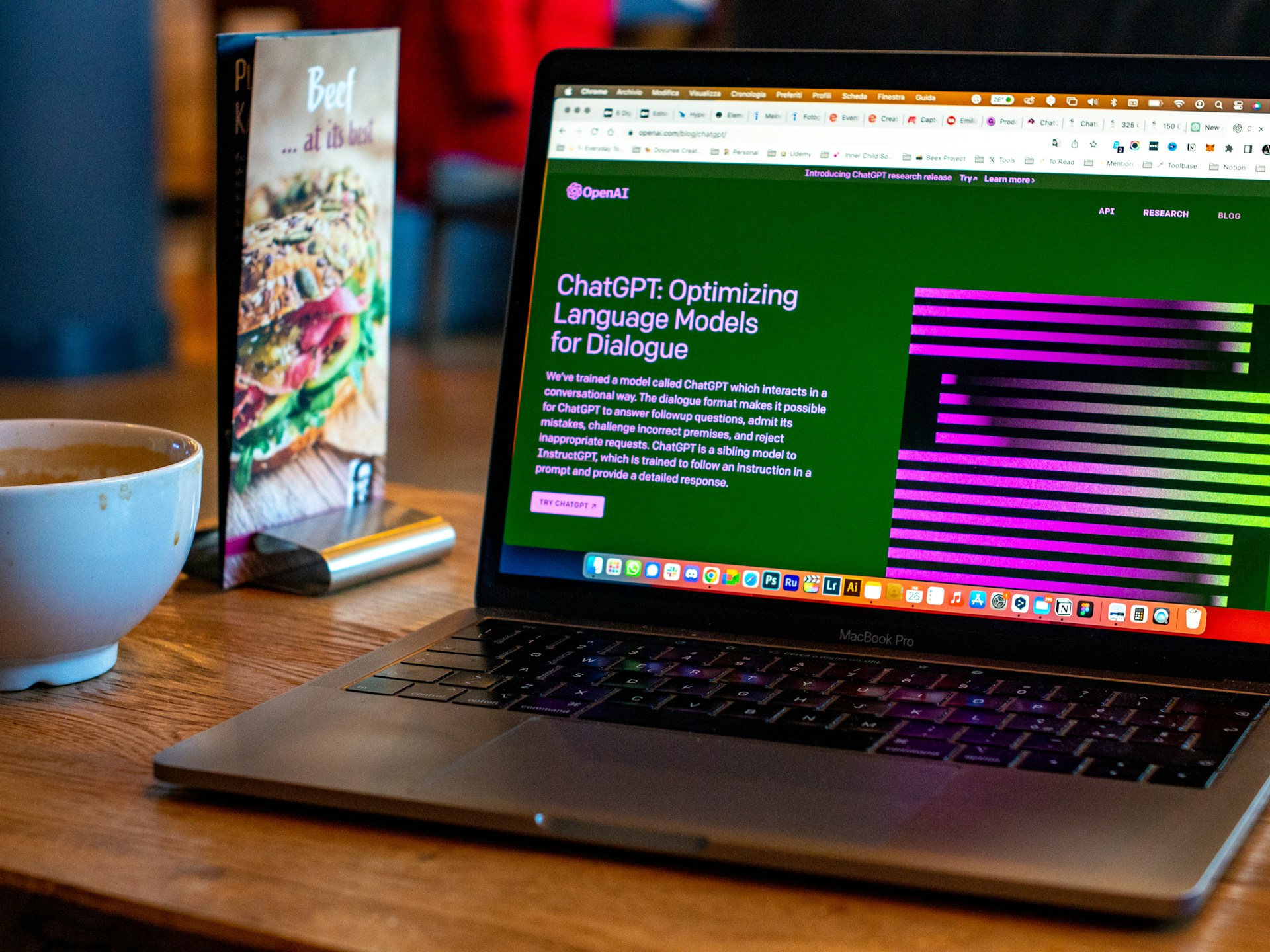
Share of Voice in the context of Large Language Models refers to how frequently and prominently a brand, product, or company gets mentioned when AI systems like ChatGPT, Gemini, or Claude respond to relevant queries.
Unlike traditional SoV calculated from ad impressions or search rankings, this metric captures something harder to see : your brand’s presence inside AI-generated answers.
Think of it this way. When a user asks an LLM “”what are the best sourcing platforms for importing from China ?””, the model generates a response based on its training data and retrieval mechanisms.
The brands that appear consistently — and favorably — in those responses hold a higher share of voice in generative search. Those that don’t appear simply don’t exist for that user in that moment.
This metric breaks down into several measurable components :
- Mention frequency : how often your brand appears across a set of test prompts
- Mention position : whether your brand is cited first, last, or buried
- Sentiment polarity : positive, neutral, or negative framing in AI responses
- Query coverage : the range of topics for which your brand gets mentioned
Tracking these dimensions requires systematic prompt testing across multiple LLMs — not a one-time snapshot, but a recurring audit framework similar to how supply chain professionals monitor supplier performance with structured dashboards. Consistency and repeatability are everything.
Why AI brand visibility has become a strategic priority
By 2025, Gartner estimated that 30% of web browsing sessions would be screenless or AI-mediated, fundamentally shifting how buyers discover vendors and products.
For B2B companies especially, this creates a new layer of competitive intelligence : knowing not just how you rank on Google, but how often you’re recommended by AI assistants when procurement teams or decision-makers seek information.
The parallel with supply chain visibility is direct.
Just as a sourcing professional needs real-time data on where goods are, at what stage, and under what conditions — not just a final delivery confirmation — brand managers now need granular visibility into where their brand surfaces across the AI answer landscape, not just traditional search results.
| Channel | SoV metric | Measurement method |
|---|---|---|
| Traditional SEO | Keyword ranking position | Rank tracking tools (Ahrefs, Semrush) |
| Paid media | Impression share | Google Ads dashboard |
| LLM / Generative AI | Mention rate & sentiment score | Prompt auditing, AI monitoring platforms |
Brands that treat LLM visibility as a separate KPI — not just an extension of SEO — gain a structural advantage.
The inputs that shape AI responses differ significantly from what drives search rankings : authoritative third-party mentions, structured data, high-quality editorial coverage, and entity recognition in knowledge graphs all matter more than keyword density.
How to measure and track your generative AI presence

Measuring AI share of voice starts with building a prompt library — a curated set of queries that represent how your target audience might interact with an LLM in your industry.
For a company operating in cross-border sourcing, that means prompts like “”best tools to manage supplier relationships in Asia”” or “”how to get full visibility on an import supply chain.”” Run these prompts repeatedly, across different models, and log every output.
The goal is to extract structured, comparable data from what are otherwise free-form responses. Scoring criteria should include : brand mention (yes/no), position in response (top third / middle / bottom), tone assessment, and whether a competitor appeared instead.
Over time, this creates a performance baseline from which you can detect changes — positive or negative — triggered by content updates, press coverage, or model version releases.
Several platforms now specialize in this space. Profound, Brandwatch AI Monitor, and Llmention offer automated prompt-based tracking with sentiment analysis.
They function like a control tower : aggregating signals from multiple AI systems into a single dashboard, giving teams the same kind of 360-degree view that experienced sourcing operators expect when managing multi-tier supplier networks.
One concrete benchmark : brands publishing long-form, entity-rich content on authoritative domains see their LLM mention rates increase 2–3x compared to brands relying solely on product pages and thin blog posts, according to early analyses by Profound in late 2024.
The takeaway is clear — depth and credibility of content directly correlates with AI visibility.
Improving your brand’s LLM share of voice with actionable levers
Increasing your presence in AI-generated answers isn’t about gaming algorithms. It’s about becoming the kind of source that language models learn to trust and reference. Start with what the model can actually ingest : structured, factual, well-sourced content that positions your brand as a genuine authority on specific topics.
Wikipedia entries, industry association mentions, academic citations, and coverage in publications like Forbes, TechCrunch, or niche trade media carry disproportionate weight in how LLMs represent entities.
This is exactly why earned media — not just owned content — becomes a core lever for AI share of voice strategy.
Beyond content, schema markup and knowledge graph optimization improve how AI systems recognize and classify your brand.
Ensuring your organization is correctly listed in Wikidata, Google’s Knowledge Panel, and Crunchbase creates a web of structured signals that LLMs use to build accurate entity representations.
Finally, treat your prompt audit as a living process, not a quarterly report. Markets shift, model versions update, and competitor strategies evolve.
The brands that will dominate generative AI visibility over the next three years are those building continuous monitoring into their marketing operations — with the same discipline and rigor applied to tracking supplier lead times or inventory across a global logistics network.