



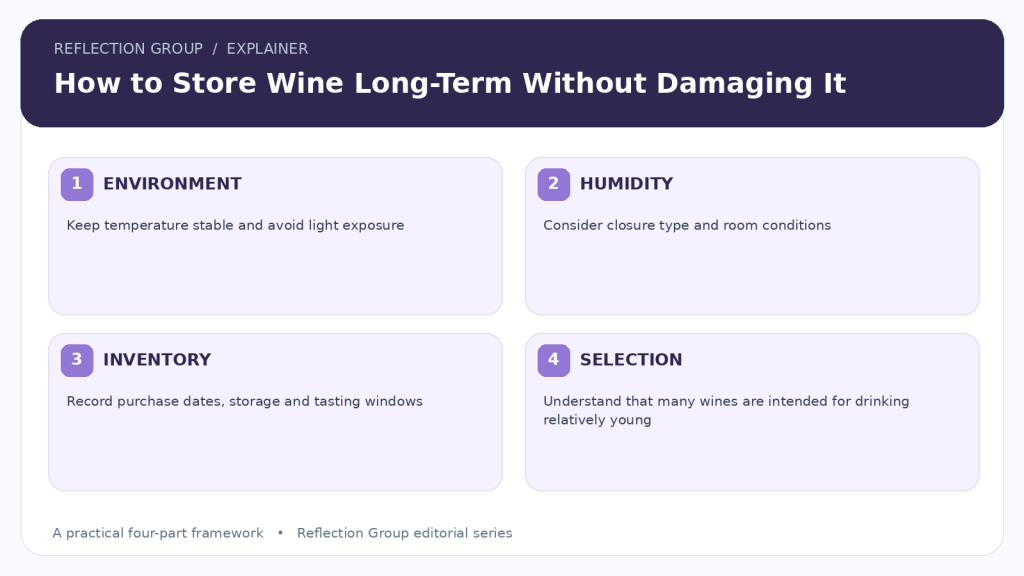
How to Store Wine Long-Term Without Damaging It
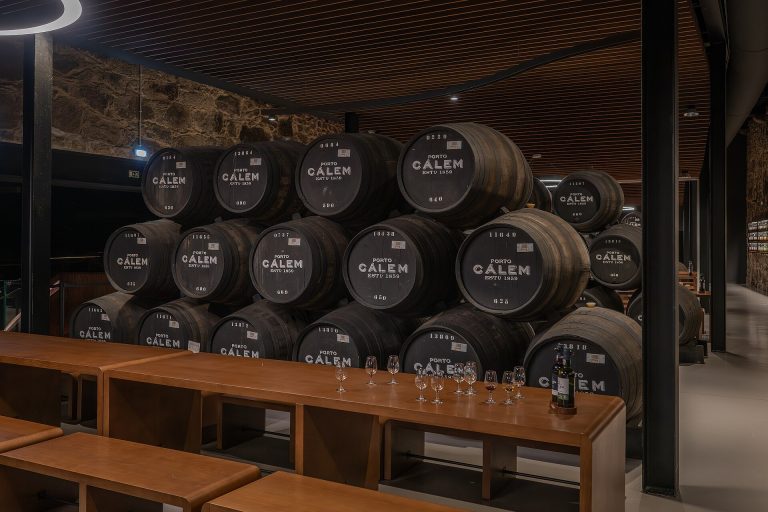
Long-term cellaring requires stable conditions, appropriate bottles and a realistic aging horizon.
Long-term cellaring requires stable conditions, appropriate bottles and a realistic aging horizon.
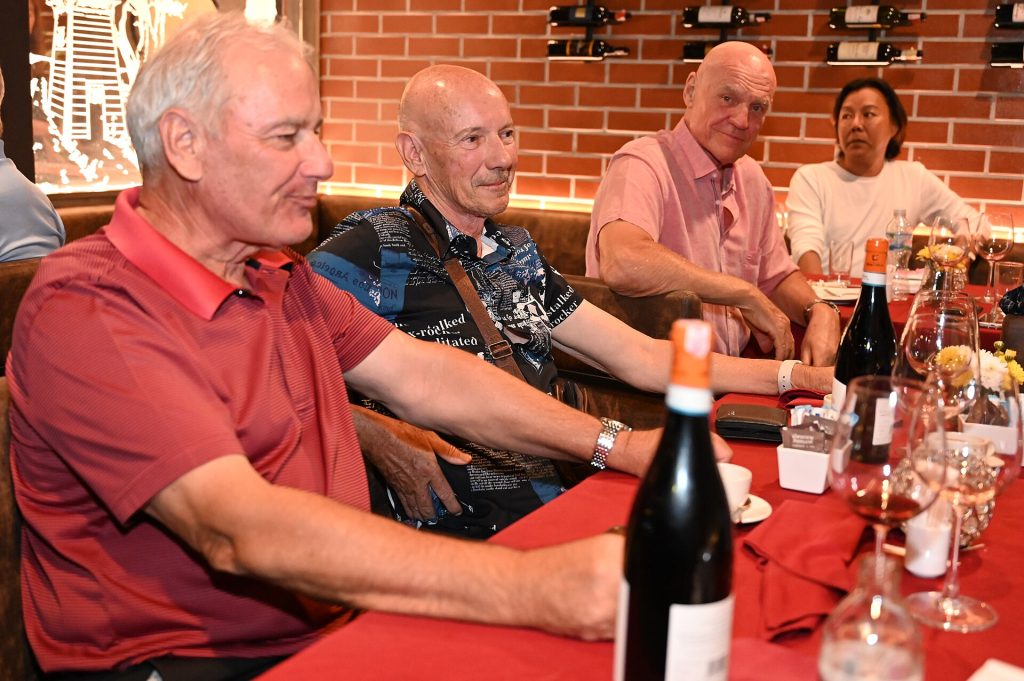
Oxygen exposure, temperature and wine style affect the quality of an opened bottle.
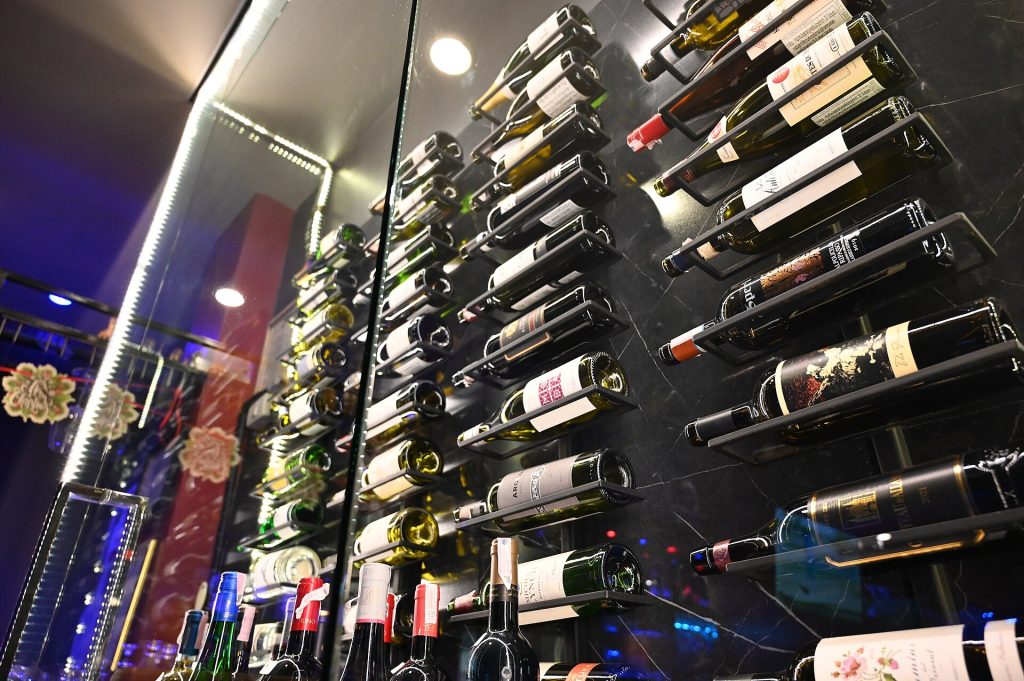
Storage temperature is about long-term stability; serving temperature is a separate decision.
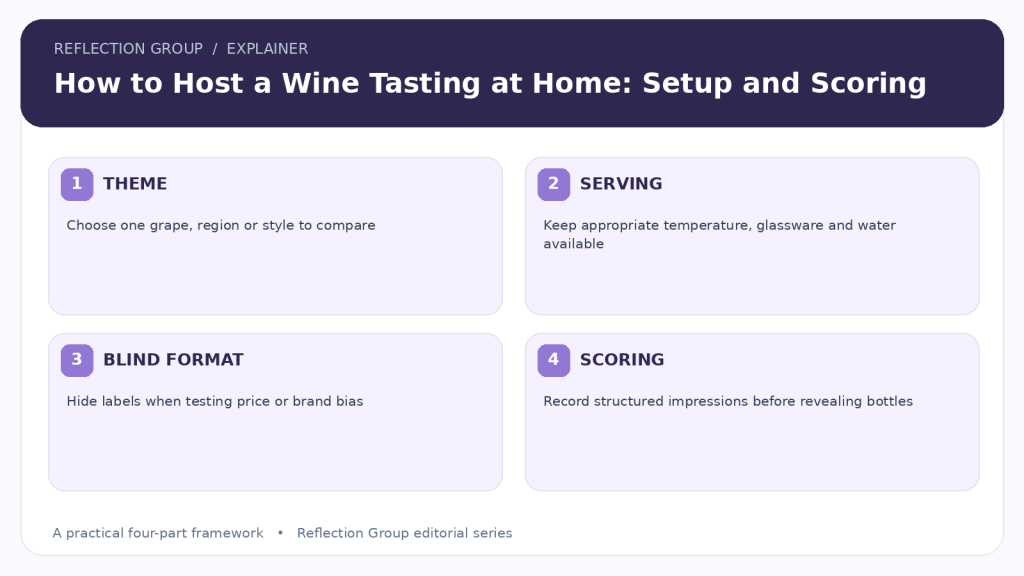
A home wine tasting works best when serving conditions and comparison order are controlled.
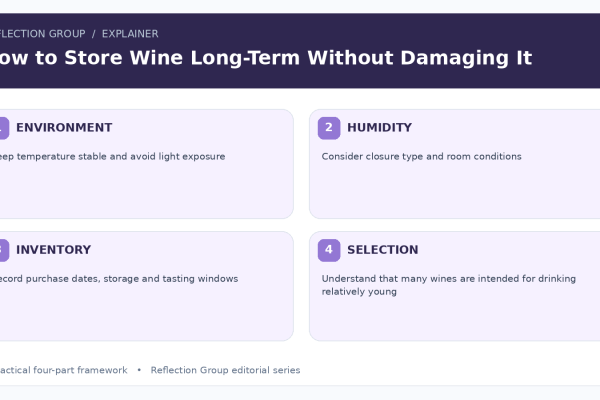
Long-term cellaring requires stable conditions, appropriate bottles and a realistic aging horizon.
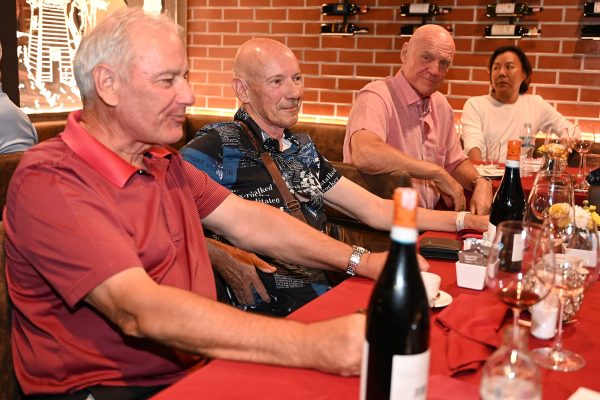
Oxygen exposure, temperature and wine style affect the quality of an opened bottle.
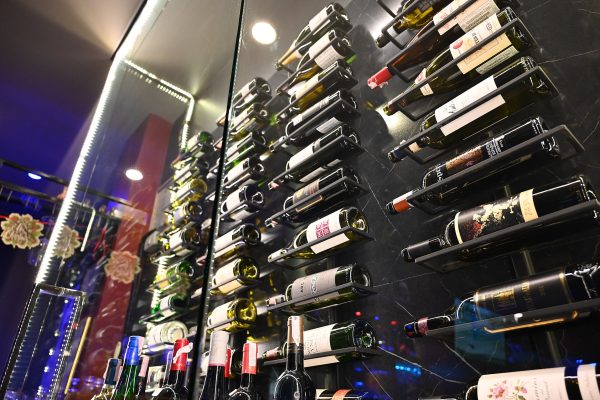
Storage temperature is about long-term stability; serving temperature is a separate decision.
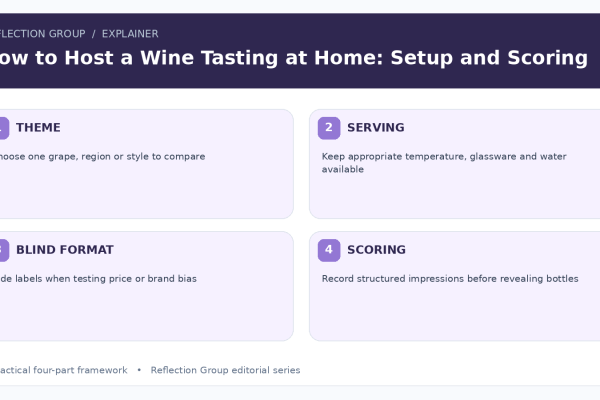
A home wine tasting works best when serving conditions and comparison order are controlled.
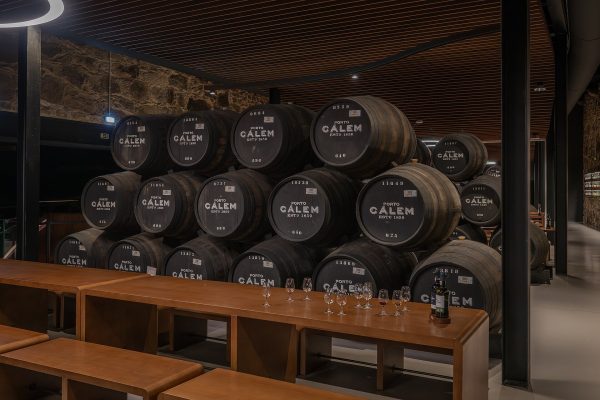
Useful tasting notes are consistent observations about a wine, not elaborate adjectives chosen to sound expert.
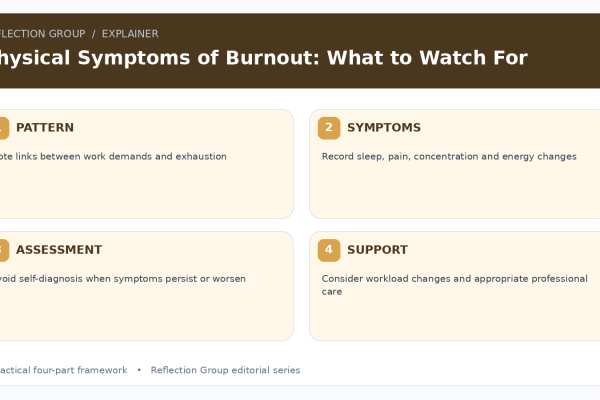
Burnout-related symptoms overlap with other medical and mental-health conditions; careful differentiation matters.

Jet lag depends on direction, time zones, sleep schedule and strategic light exposure rather than a fixed recovery clock.
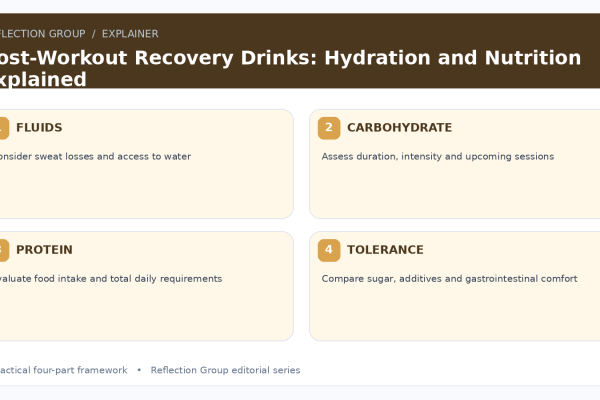
The ideal post-workout drink is determined by training load, sweat loss and wider dietary needs rather than branding.
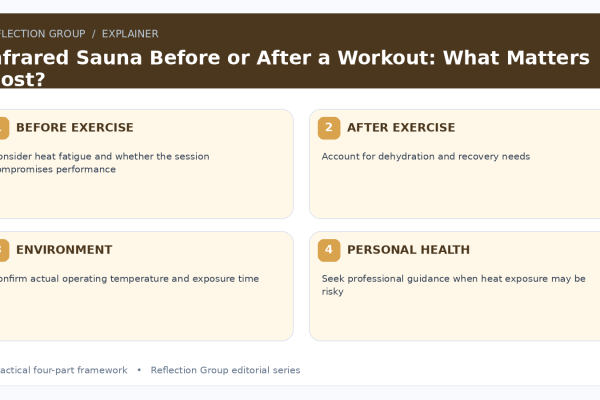
The right timing depends on training intensity, hydration, individual tolerance and what outcome matters.
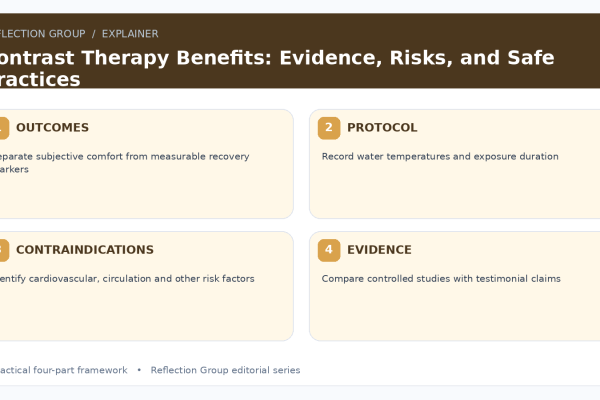
Alternating hot and cold exposure requires careful evaluation of its limited evidence and potential cardiovascular stress.